


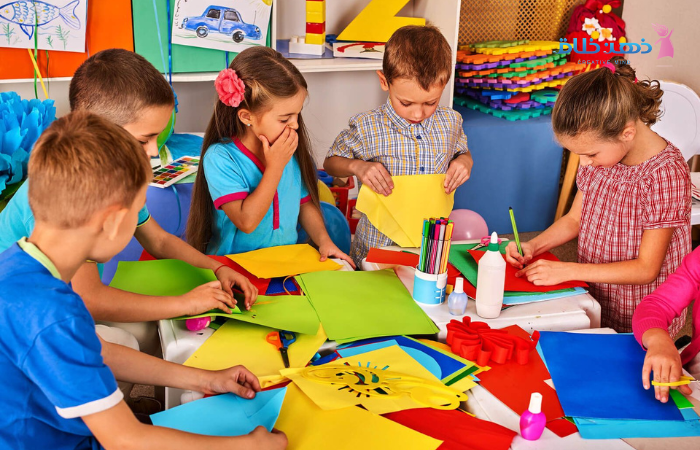
Kindergarten, as one of the first educational and social environments that children experience, plays an important role in their physical, mental and social development. In this article, the impact of kindergarten on various aspects of child development is investigated.
- Impact on social development
One of the main benefits of kindergarten is to help children’s social development. In the kindergarten environment, children interact with their peers and learn how to play in groups, follow rules, and understand taking turns. These interactions increase children’s communication, cooperation and conflict resolution skills.
Also, children in kindergarten are introduced to concepts such as respect for others, sharing and responsibility, which will strengthen the foundations of their future social life.
- Impact on cognitive development
Kindergarten programs are typically designed to enhance children’s cognitive skills, such as creative thinking, problem solving, and language abilities. Activities such as reading stories, simple puzzles and educational games help children improve their memory, attention and concentration.
In addition, children in kindergarten are introduced to basic concepts such as numbers, letters, and shapes, which form the foundations of their future learning.
- Emotional and psychological development
The kindergarten environment helps children’s emotional development by providing opportunities to express their emotions and learn to manage them. Kindergarten teachers play an important role in creating a sense of security and emotional support in children. This sense of security makes children gain more confidence and face new challenges more easily.
Also, children in kindergarten learn to identify and express their feelings. These skills will help them to establish better relationships in the future and deal with psychological pressure more effectively.
- Strengthen motor skills
Physical activities in kindergarten, such as group games and hands-on activities, help strengthen children’s motor skills. These activities not only strengthen fine (such as using pencils and scissors) and gross (such as running and jumping) motor skills, but also improve mind-body coordination.
- Preparing for school
Kindergarten plays an important role in preparing children to enter school. In this environment, children are introduced to learning structures, such as following directions, paying attention to time, and teamwork. These experiences make the transition to the school environment easier for children and make them more confident to learn.
- The role of teachers in kindergarten
Kindergarten teachers are people who play a key role in the all-round development of children. They are not only responsible for education, but they must also respond to the emotional and psychological needs of children. By creating a supportive and loving environment, educators help children feel safe and learn better.
- The role of parents in choosing the right kindergarten
Parents should be careful in choosing the right kindergarten for their child. Criteria such as the safety of the environment, the qualifications of the teachers, the quality of the educational programs and the level of interaction between the parents and the kindergarten are among the things that should be considered. The right choice can have positive effects on a child’s development.
conclusion
Kindergarten, as one of the first stages of children’s social and educational life, plays an essential role in their comprehensive development. This environment not only strengthens children’s social and cognitive skills, but also helps their emotional and motor development. Therefore, paying attention to the quality of the kindergarten and choosing it correctly is an important investment for the future of children.